Monday, 27 January 2025

Introduction of Computer


INTRODUCTION TO COMPUTING


Components of Computer

1. Input Device

2. Output Device

3. System Unit

4. Storage Device

5. Communication Device

Input Device

An input device is any hardware component that allows a user to enter data or instructions into a computer for processing.  Example: Keyboard: A device used to input text and commands by pressing keys.


Output Device

An output device is hardware that receives processed data from the computer and presents it to the user in a human-readable form. For example: printer, monitor , speakers.


System Unit

The system unit is the central part of the computer that houses critical components such as the CPU, memory, and motherboard. For example: CPU, RAM , Motherboard, etc.


Storage Device

The system unit is the central part of the computer that houses critical components such as the CPU, memory, and motherboard. For example: Hard disk drive, solid disk drive, etc.


Communication Device

A communication device is hardware that enables the computer to send and receive data over a network or external connections. For example: modem, network interface card, Wi-Fi Adaptor .


Seven categories of computer

Computers can be categorised based on various criteria such as size, purpose, processing power, and more. Below are seven categories of computers, each with its own specific features and uses:

1. Supercomputers

· Description: Supercomputers are the most powerful type of computers designed to handle extremely complex computations at very high speeds.

· Function: They are used for tasks such as climate modeling, simulations, scientific research, and large-scale data analysis that require immense processing power.

· Examples: IBM Blue Gene, Cray XT5.


2. Mainframe Computers

Description: Mainframes are large, powerful computers that are used primarily by large organizations for bulk data processing, such as census data, financial transactions, and enterprise resource planning (ERP).

· Function: Mainframes can support many users simultaneously and handle massive volumes of data.

· Examples: IBMz, UNIVAC.


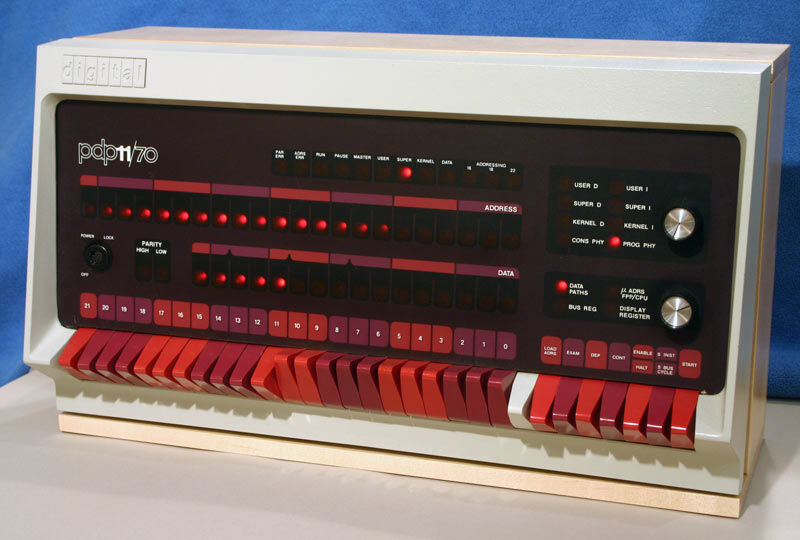
3. Minicomputers

· Description: Minicomputers, or mid-range computers, are smaller and less powerful than mainframes but still capable of supporting multiple users at once.

· Function: They are typically used in industries for managing medium-sized business applications, databases, and processes like manufacturing control.

· Examples: PDP-11, Digital Equipment Corporation.

4. Microcomputers

· Description: Microcomputers, also known as personal computers , are the most common type of computers. They are designed for individual use and are typically small, affordable, and capable of performing a wide range of tasks.

· Function: They are used for general-purpose tasks such as word processing, internet browsing, gaming, and multimedia editing.

· Examples: Desktops, laptops, tablets, and smartphones.


5. Workstations

· Description: Workstations are high-performance computers designed for technical or scientific applications that require more power than a regular personal computer.

· Function: They are used for tasks like 3D rendering, computer-aided design , video editing, and scientific simulations.

· Examples: Sun Microsystems, HP Workstations, Dell Precision.


6. Embedded Computers

· Description: Embedded computers are specialized computers designed to perform specific tasks within larger systems. They are usually part of a device and are optimized for speed and efficiency.

· Function: These computers control and manage specific functions within electronic devices like cars, household appliances, medical equipment, and industrial machines.

· Examples: Microcontrollers in washing machines, embedded systems in microwave ovens, or automotive control systems.


7. Hybrid Computers

· Description: Hybrid computers combine features of both analog and digital computers. They can process both continuous data and discrete data, making them suitable for specialized applications.

· Function: Hybrid computers are used for tasks where both types of data need to be processed, such as in medical equipment and scientific simulations.

· Examples: Analog-digital hybrid computers used in medical research and instrumentation.


THINKING

 THINKING

Why is it important to think from a variety of perspectives?

What kinds of superpowers can you harness by thinking differently?

What are the various ways people use their intelligence?


Accomplishing something big often requires new approaches to thinking. An observation usually attributed to Albert Einstein posits, “We can’t solve problems by using the same kind of thinking we used when we created them.” And this of course makes perfect sense. So often, we adopt a particular perspective at work, in our out any approach that doesn’t fit into that viewpoint. But there are two key problems with that. One is that all perspectives should be challenged on a regular basis to confirm that they are still viable. For example, so often when a company is mired in one approach to the


marketplace that it couldn’t see that the audience they were targeting was no longer as responsive as they once were. The second problem a fixed perspective faces Is that challenges are often the product of a particular type of thinking, and the answers can be found only by bringing a fresh approach to the table.

Why do most of us have a restricted range of thinking? I think the answer is the same as it was when we were discussing focus: because we somehow missed out on “thinking class” when we were in school. Fortunately, it’s never too late to attend that class, and I’m going to unroll you in it right now.


THE THINKING HATS

Dr. Edward DE Bond devised the concept of the “six thinking hats” as a tool for getting out of whatever rut of thinking one might be mired in. Regularly used to help groups problem-solve in a more productive way, it is easily adapted by any individuals hoping to keep their thinking fresh. The core notion is to separate thinking into six distinctly defined functions by progressively donning a series of metaphorical hats:

Ø You put on a white hat when you’re in information gathering mode. At this point, your focus is on collecting details and getting all the facts you’ll need to address whatever issue you’re trying to address. To help you remember this, think of a white lab coat.

Ø You switch to a yellow hat to bring optimism to your thinking. Here, you’re typing to identify the positives in any problem or challenges you’re facing, highlighting the value inherently in place. As your memory tip here, think of the yellow sun.

Ø Next, you’ll wear a black hat to pivot from looking at the good side of the challenge to facing its difficulties and pitfalls. This is where you’ll come face to face with the consequences of failing to successfully address a problem. Memory tip: Think about a judge’s robe.


Saturday, 18 January 2025

BECOMING LIMITLESS

 BECOMING LIMITLESS

(part-1)

“I’m so stupid.”

“I don’t understand.”

“I’m too dumb to learn.”

These were my mantras growing up. There wasn’t a day that went by that I didn’t tell myself that I was slow, dumb, and that I would never learn to read, much less amount to anything later in life. If a pill existed that could super charges my brain and make me smarter in one shallow, I would have given anything to take it.

I wasn’t the only one who felt the way I did about myself. If you’d asked my teachers when I was a kid, many would have said that I was the last person they’d expect to be writing this book for you. Back then, they would have been surprised to know that I was reading a book, let alone writing one.

This all stems from an incident in kindergarten that completely altered the course of my life. I was in class one day, and there were sirens outside the window. Everyone in the classroom took notice, and the teacher looked out and said she saw fire trucks. The entire class responded to this information the way kindergarteners do. We immediately rushed to the windows. I saw particularly excited because, by that point, I was already obsessed with superheroes. To me, firefighters were the closest thing to real-life superheroes I knew. I bolted to the window with everyone else.


The only problem was that I wasn’t tall enough to able to look down at the fire trucks. One kid went to grab this chair to stand on, and that inspired the rest of us to do same. I ran back to my desk to get mine, pushing it right up against the huge iron radiator that tan along the bottom of the windows. I got up on my chair, saw the firefighters, and completely lit up. This was so exciting! My eyes stared and mouth gasped as I watched these courageous heroes in action with their seemingly impenetrable uniforms and their bright red vehicles.

But then one of the other kids grabbed my chair from beneath me, which caused me to lose balance ad go to flying head-first into the radiator. I hit the metal heater extremely hard, and I started losing blood. The school rushed me to the hospital, where doctors tended to my wounds. But they were candid with my mother afterward; the injury to my brain was not mild.

My mother said I was never quite the same after that. Where I had been an energized, confident, and curious child before, now I was noticeably shut down and had a new, difficulty learning; I found it extremely hard to focus, I couldn’t concentrate, and my memory was awful. As you can imagine, school became an ordeal for me. Teachers would repeat themselves until I learned to pretend to understand. And while all the other kids were learning to read, I couldn’t make any sense out of the letters. Do you remember getting in those reading circles, passing around the book, and having to read out loud? For me, that was the worst-nervously waiting as the book crept closer and closer, only to look at the page and not understand one words. It would take me another three years to be able to read, and it continued to be a struggle and an uphill battle for a long time after that.


Wednesday, 1 January 2025

What is Love?


Some words are remarkably hard to define. This is true even of words that we use daily without much difficulty. When pressed to come up with a definition for these common terms, we can find ourselves at a loss. Try this experiment: without looking at a dictionary, try to write a 1-2 sentence definition of the word “which.” It’s not easy to do. Even after looking at the dictionary definitions, it is much easier to use the word than to wrap our minds around its meaning.

Plenty of words that Christians use regularly in thinking and talking about their faith fall into this category. We instinctively feel like we know what we mean when we say these words, but definitions can be frustratingly hard to come by. “Worship” is one notorious example. We understand particular acts of worship and the different kinds of worship, but it’s not easy to develop a definition that doesn’t leave out something important. And we can see pretty quickly that the stakes are higher with a word like “worship” than with a word like “which.” When questions arise over how we as Christians should worship, then it is important to understand what worship is.

In what follows, I want to explore the meaning of one such word: love. There is little doubt that love is central to the Christian faith. This is affirmed by Christians across the theological and political spectrum. For those of us in the Wesleyan tradition, love is at the heart of both how we talk about God and how we talk about sanctification. But what do we actually mean when we use this word? I have long been intrigued by one particular line in Joseph T. Lienhard’s book The Bible, The Church, and Authority: “To say that the Bible is authoritative is to begin a discussion, not to end it.” We could say the same about love: to say that Christians are called to love is to begin a discussion, not to end it.

So where should that discussion begin? I think it would make sense to propose a definition and then aim to show why the various pieces of that definition are helpful. But there is one challenge we will face right off the bat: like many words, “love” gets used in different ways in different contexts. To love a song or to love the Seattle Mariners is not quite the same as to love a person or to love God. Yet there is still some commonality among these various uses of the word. So we will need to set some boundaries to our reflections. John Wesley repeatedly lifted up the importance of loving God and our neighbors, drawing from Matthew 22. In that light, we might focus on what love means specifically in relation to God and to other people. This entails exploring both our love for God and others and God’s love for His creatures. 

I want to argue that love means delighting in and moving toward the good in someone. As we will see, the phrase “moving toward” means something slightly different when used in relation to God from what it means when used in relation to another person. But this compact definition enables us to recognize both what is in common and what is distinct in the love of God and the love of our neighbors. Even more, it enables us to clarify just what we mean when we say that we are called to love.

If we turn to the writings of John Wesley, we find a little help (but not, frankly, much help). He certainly wrote about love a great deal. But when it came to defining love, Wesley’s tendency was to describe how we express love rather than what love actually is. A natural place to look, for example, is his sermon “On Love.” The second section of that sermon begins on a promising note: “Let us inquire what this love is,--what is the true meaning of the word?” His answer focuses primarily on how love for God is shown: “Now, what is it to love God, but to delight in him, to rejoice in his will, to desire continually to please him, to seek and find our happiness in him, and to thirst day and night for a fuller enjoyment of him?”

When Wesley turns to describe love for God’s creatures, he introduces an important insight: “For he hath commanded us, not only to love our neighbor, that is, all men, as ourselves;--to desire and pursue their happiness as sincerely and steadily as our own,--but also to love many of his creatures in the strictest sense; to delight in them; to enjoy them: Only in such a manner and measure as we know and feel, not to indispose but to prepare us for the enjoyment of Him.” The last line indicates a key difference between loving God and loving God’s creatures. When we delight in another in such a way that it distracts us from delight in God, it is not a properly ordered love. But when we delight in another to prepare us for delight in God—that is, when our love for another turns us toward God in thanks and wonder—then it is a properly ordered love. (An interesting note emerges if we compare “On Love” to another Wesley sermon, “The Almost Christian.” In the second section of the latter sermon, the theme of delight is again central to Wesley’s description of the love of God, but it is entirely absent from his description of the love of neighbor. One wonders if he was concerned with the potential for idolatry—the love for another that might “indispose” us to delight in God—that he explicitly warns about in “On Love.”)

For Wesley, then, loving God involves delighting in Him, seeking Him, and desiring to please Him. The love of another involves both acting toward the good of the other and delighting in the other to the extent that it increases rather than decreases our love for God. Through these reflections on how we love, we are moving toward some clarity on what love is. We might continue that quest by going a bit deeper in the Christian tradition, to the medieval theologian Thomas Aquinas. Thomas is able to shed light on our question by focusing on love as it applies both to God’s love for creatures and to our love for others.

One important piece of a definition of love is offered with remarkable clarity by Thomas: “to love a person is to wish that person good” (Summa Theologiae, I.20.1). He draws this definition from Aristotle, as Thomas makes clear when he repeats that definition later in the same work (Summa Theologiae, I-II.26.4). So to love someone is to will the good of that person; to work toward what will bring that person in the direction of the good. As any parent knows, we love our children by trying to do what is best for them. If our kids want to eat nothing but dessert for every meal, we show love by denying that request and making sure they eat some vegetables. Why? Because what they desire in the moment is not good for them, and love is to will and work toward what is good—in this case, a diet that will help their health and their growth.

The notion of love as willing the good of the other is a mark both of our love for other creatures and of God’s love for us. And in the case of God’s love for us, that love is perfect precisely because God’s knowledge of what is good for us is perfect. But what about our love for God? Surely we are called to love God, but God is the complete and perfect good. So it does not make sense to say that we will or work toward the good of God, since God lacks nothing of goodness. There must be something more, then, to our understanding of what love is.

Here we might recall what we found in Wesley’s sermon above, that love involves delighting in the one loved. As it turns out, Thomas had already anticipated this element of a definition of love. “For nobody desires anything nor rejoices in anything, except as a good that is loved” (Summa Theologiae, I.20.1). In that light, love is not only willing the good of the other; it is also rejoicing in the good in the other. Both of these are captured by Thomas just a few lines later: “An act of love always tends towards two things; to the good that one wills, and to the person for whom one wills it.” The love we have for a child, or a friend, or a spouse means both that we desire the best for that person and that we rejoice in that which is good in them—good which is itself a gift of God, whether we recognize that or not.

We can see both elements of this understanding of love in the commitment of someone to a person that society finds very hard to love—say, a person in a repeated pattern of destructive behavior. A parent or a friend remains committed to such a person because they love him. That love is not only a desire for that person to move toward healthier patterns, though it certainly is that. It is also a delight in that person as a creature of God, and often that delight enables the one who loves that person to see good in them that others can’t see. In the early fifth century, bishop and theologian Augustine of Hippo wrote a work called the Enchiridion that outlined the basics of the Christian faith. In that work, Augustine pointed out that all creatures must have some good in them, no matter how much sin may have diminished the good with which God originally created them (XIII-XV). It would be impossible for any being to be completely evil, since evil is the absence of good as darkness is the absence of light. Evil diminishes a creature’s share in being, as a parasite on the good, but like any parasite it needs a host. So anything that still exists, to the extent that it has being, has some good in it. Augustine was no Pollyanna when it came to human nature; he recognized the destruction that sin causes. But there is tremendous hope in his insight that every creature has some degree of good. God’s patient love of all of us, and at our best our patient love for each other, is aimed at drawing out this good that is still worthy of delight.

What then of our love for God? We can certainly delight in the perfect good that God is, but as we’ve already seen, there is no further good that we might will for God to acquire. Now we are in a position to see the reason for the phrasing above, that love is delighting in and moving toward the good in someone. When that someone is another creature, “moving toward” their good means precisely what Aristotle and Thomas Aquinas meant: to will and work toward what is good for them. When the one loved is God, however, “moving toward” the good means our movement toward the perfect good that God is. We delight in God and we draw closer to God’s goodness. In that respect, the way in which we show love to ourselves is to love God. We will our own good by moving toward God, since God alone is the source of all that is truly good. Yet this movement toward God is not motivated by a utilitarian desire to maximize our own joy. Rather, it is motivated by the sheer delight of seeing who God truly is and being drawn toward that beauty and goodness.

Hopefully, these final reflections make it clear why clarifying the nature of love is not just an academic exercise. It matters deeply for how we fulfill the twofold command to love God and our neighbors. The main point is this: true love always has an essential connection to the good. It is not just a delight in something, and it is not just a movement toward something. This is why we can speak of false or disordered loves, such as the inordinate love of money or fame or power. It is also why people often suppose they love another person merely because they delight in that person—but if that delight is really in treating that person as an object rather than in seeking that person’s good, then it is not truly love. All of this sheds new light on 1 John 4:7-8: “Beloved, let us love one another, because love is from God; everyone who loves is born of God and knows God. Whoever does not love does not know God, for God is love.” To love is to delight in and move toward the good in another, and that delight, movement, and goodness are from God and lead us toward God.

The Weight of Truth

 The Weight of Truth

Sarah had always prided herself on being a good person. She was kind, considerate, and, above all, honest—at least, she believed she was. The truth, she had often told herself, was like a light in the darkness. It could be painful, but it would always guide her to the right path. Or so she thought.


One spring afternoon, Sarah was sitting in her office, sifting through emails. As the manager of a marketing team at a mid-sized company, she had a lot on her plate. One particular email caught her attention: a proposal from a potential client that promised a significant contract if her team could deliver exceptional results. It sounded promising, and the pressure to secure the deal was mounting.

As she read the document again, something didn't sit right with her. There were numbers that didn’t add up, and several terms seemed vague. Her gut told her that something was off, but the possibility of securing a lucrative deal clouded her judgment. Sarah decided to ignore the doubts, telling herself, It’s just a few details. We can work them out later. She clicked “Reply” and assured the client her team would meet their expectations.

The next few weeks were a whirlwind. Sarah pushed her team hard, trying to hit the deadlines and deliver on the promises she had made, but things weren’t going according to plan. The numbers were off, as she had feared, and the timelines were slipping. Every meeting with the client grew more uncomfortable as Sarah tried to cover up the mistakes, always with a smile, always with excuses.

But the weight of the lies began to take its toll. Sarah had always believed that honesty was a simple choice—something you did without question. Yet, here she was, keeping up a façade that was slowly becoming impossible to maintain.

One evening, as she sat in her office reviewing the latest report from her team, her phone buzzed. It was a message from Tom, a colleague she trusted: "I think the client knows. We’re about to get called out for the delays and the discrepancies. You need to come clean."

Her heart sank. Tom was right. The longer she waited, the worse it would get. She could feel the pressure building up inside her—an overwhelming sense of guilt. She had always prided herself on doing the right thing, but now, the right thing felt terrifying. What would happen if she told the truth? Would she lose the client? Would her team lose respect for her?

The next morning, with the looming sense of dread hanging over her, Sarah called for a meeting with the client. The room was tense as she began to speak. The words seemed to stick in her throat as she tried to explain the situation. Finally, she took a deep breath, looked them in the eye, and said, "I have to be honest with you. We missed the mark. There were issues from the very beginning that we didn't address properly. I take full responsibility for that."

The silence that followed felt like an eternity. Sarah’s heart pounded in her chest as she waited for the inevitable fallout. The client exchanged glances, and Sarah could practically feel the judgment coming from them. But instead of anger, their response was something she didn’t expect: understanding.

“We appreciate your honesty,” the client said. “It’s rare, especially in a business like this. Let’s see what we can do to fix this together.”

It wasn’t a perfect outcome, but it was a relief. By owning up to the mistakes, Sarah had cleared the air. She felt a weight lift from her shoulders, as though the truth had finally set her free. The client gave her team another chance to make things right, and Sarah learned an invaluable lesson.

Honesty, she realized, wasn’t just about telling the truth when things were easy—it was about having the courage to face difficult situations head-on, even when the consequences were uncertain. She learned that being honest didn’t mean things would always work out perfectly, but it allowed for growth, for rebuilding trust, and for finding a way forward.

And from that day on, Sarah never underestimated the power of truth again.

The Weight of Silence

  The Weight of Silence Jake had always been the quiet one in his family. His younger sister, Lily, was the loud and outgoing one. She fill...