INTRODUCTION TO COMPUTING
Components of Computer
1. Input Device
2. Output Device
3. System Unit
4. Storage Device
5. Communication Device
Input Device
An input device is any hardware component that allows a user to enter data or instructions into a computer for processing. Example: Keyboard: A device used to input text and commands by pressing keys.
Output Device
An output device is hardware that receives processed data from the computer and presents it to the user in a human-readable form. For example: printer, monitor , speakers.
System Unit
The system unit is the central part of the computer that houses critical components such as the CPU, memory, and motherboard. For example: CPU, RAM , Motherboard, etc.
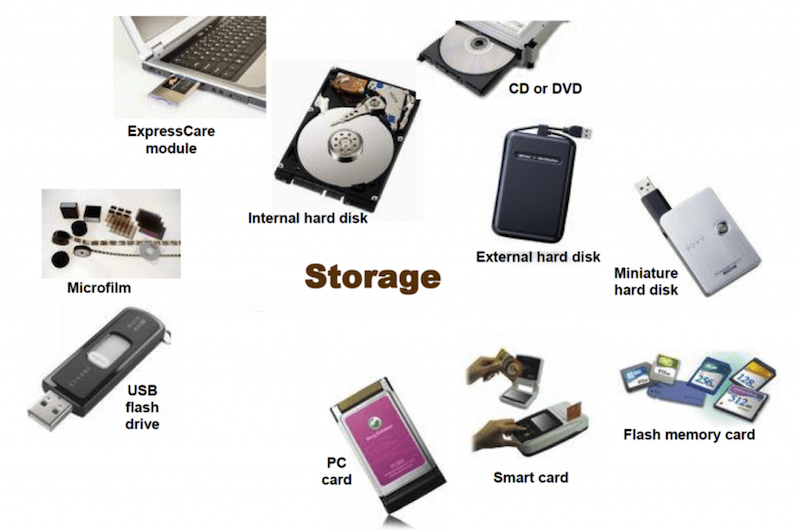
Storage Device
The system unit is the central part of the computer that houses critical components such as the CPU, memory, and motherboard. For example: Hard disk drive, solid disk drive, etc.
Communication Device
A communication device is hardware that enables the computer to send and receive data over a network or external connections. For example: modem, network interface card, Wi-Fi Adaptor .

Seven categories of computer
Computers can be categorised based on various criteria such as size, purpose, processing power, and more. Below are seven categories of computers, each with its own specific features and uses:
1. Supercomputers
· Description: Supercomputers are the most powerful type of computers designed to handle extremely complex computations at very high speeds.
· Function: They are used for tasks such as climate modeling, simulations, scientific research, and large-scale data analysis that require immense processing power.
· Examples: IBM Blue Gene, Cray XT5.
2. Mainframe Computers
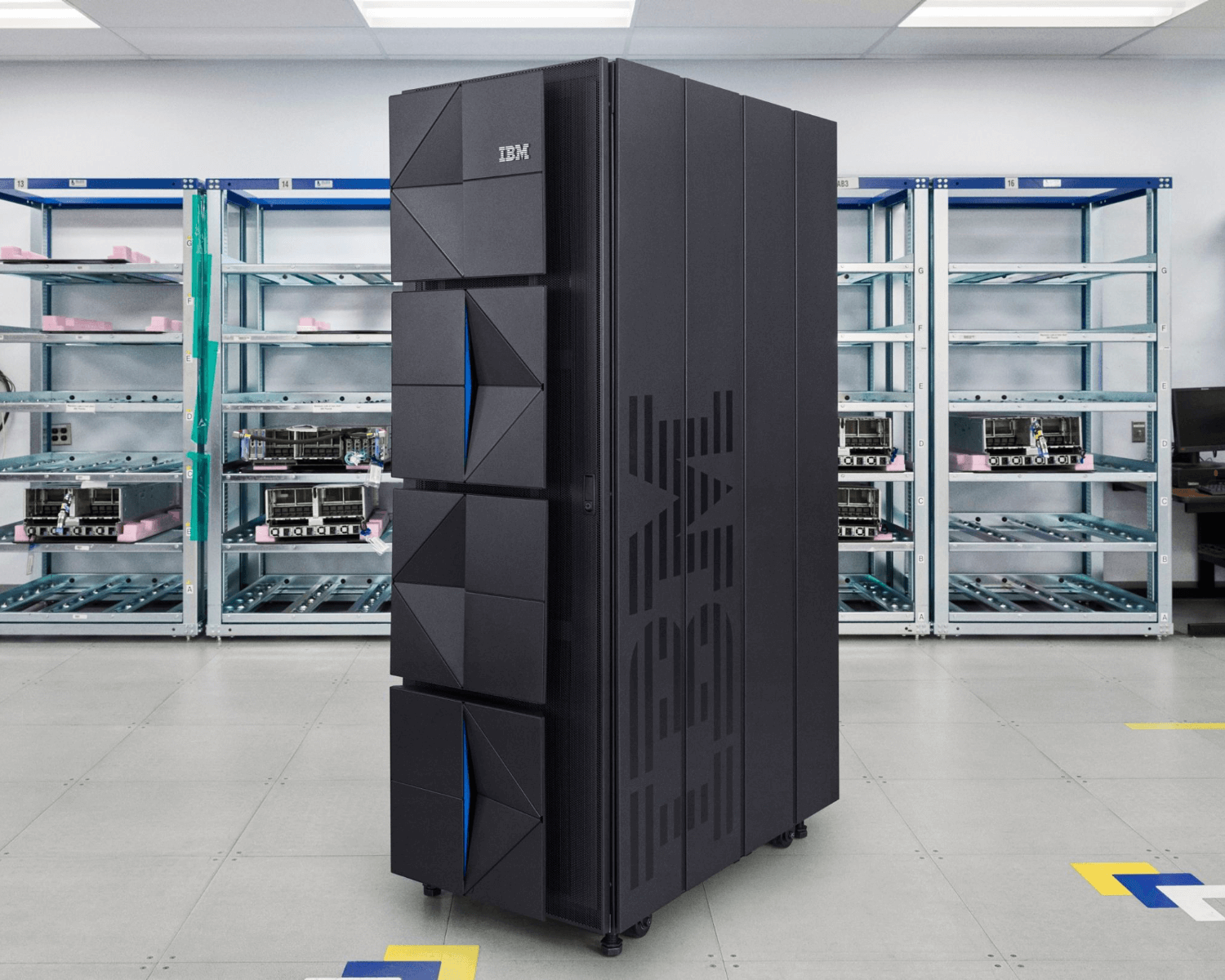
Description: Mainframes are large, powerful computers that are used primarily by large organizations for bulk data processing, such as census data, financial transactions, and enterprise resource planning (ERP).
· Function: Mainframes can support many users simultaneously and handle massive volumes of data.
· Examples: IBMz, UNIVAC.
3. Minicomputers
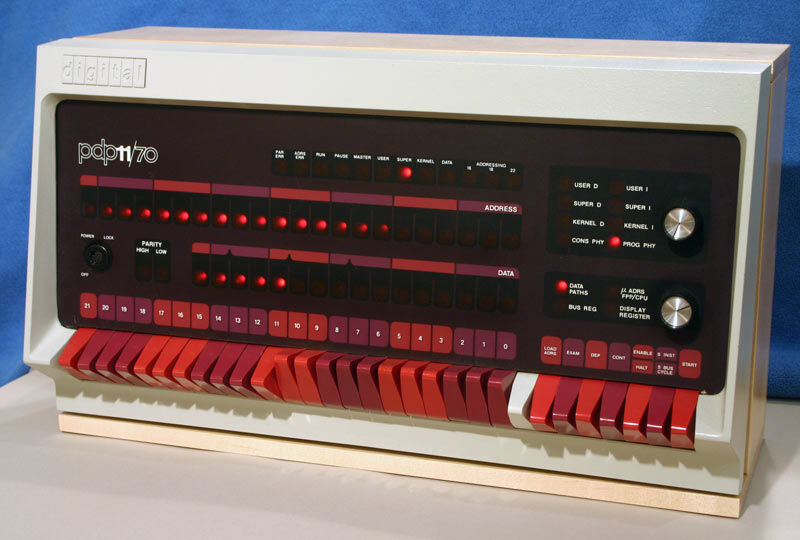
· Description: Minicomputers, or mid-range computers, are smaller and less powerful than mainframes but still capable of supporting multiple users at once.
· Function: They are typically used in industries for managing medium-sized business applications, databases, and processes like manufacturing control.
· Examples: PDP-11, Digital Equipment Corporation.
4. Microcomputers
· Description: Microcomputers, also known as personal computers , are the most common type of computers. They are designed for individual use and are typically small, affordable, and capable of performing a wide range of tasks.
· Function: They are used for general-purpose tasks such as word processing, internet browsing, gaming, and multimedia editing.
· Examples: Desktops, laptops, tablets, and smartphones.
5. Workstations
· Description: Workstations are high-performance computers designed for technical or scientific applications that require more power than a regular personal computer.
· Function: They are used for tasks like 3D rendering, computer-aided design , video editing, and scientific simulations.
· Examples: Sun Microsystems, HP Workstations, Dell Precision.
6. Embedded Computers
· Description: Embedded computers are specialized computers designed to perform specific tasks within larger systems. They are usually part of a device and are optimized for speed and efficiency.
· Function: These computers control and manage specific functions within electronic devices like cars, household appliances, medical equipment, and industrial machines.
· Examples: Microcontrollers in washing machines, embedded systems in microwave ovens, or automotive control systems.
7. Hybrid Computers
· Description: Hybrid computers combine features of both analog and digital computers. They can process both continuous data and discrete data, making them suitable for specialized applications.
· Function: Hybrid computers are used for tasks where both types of data need to be processed, such as in medical equipment and scientific simulations.
· Examples: Analog-digital hybrid computers used in medical research and instrumentation.


No comments:
Post a Comment